

7 Signs Your Diesel Engine Needs Immediate Repair Before It Fails Completely
You should focus on critical warning signs that signal an impending diesel engine failure, from power loss to excessive smoke. Learn about what each red flag means, how urgent it is, and what drivers, fleet managers, and owner-operators can do to prevent costly engine damage.
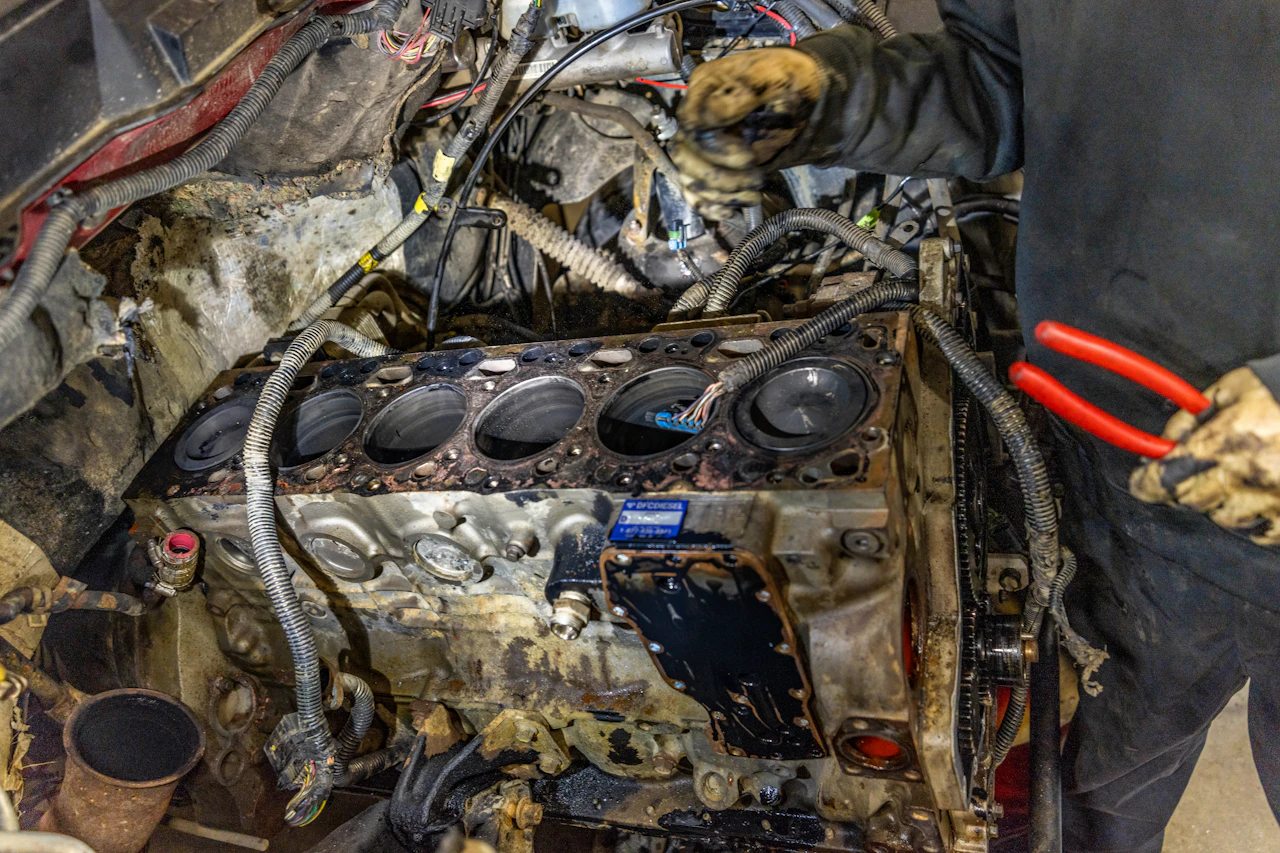
Let’s be blunt, diesel engines don’t just fail out of nowhere. They give you signs. The trouble is, if you don’t know what you’re looking for, those signs can sneak right past you… until you’re stranded on the side of the road in 100° Midland heat, staring at a seized engine.
Diesel engines are workhorses built for the long haul, but they’re not invincible. Miss the early red flags, and you could be looking at tens of thousands in repairs, or worse, a full engine replacement.
Don’t wait for the smoke and rattling to start. Here are seven signs your diesel engine needs immediate attention before it fails for good.
1. Loss of Power or Acceleration
If your truck suddenly feels like it’s hauling a mountain, even when it’s empty, something’s wrong.
A loss of power under load or during acceleration could point to:
- Turbocharger failure
- Fuel injector issues
- Low compression in one or more cylinders
- Clogged air filters or restricted airflow
In Midland’s dusty environment, air intake blockages happen more often than you'd think. If your throttle response is lagging or you’re straining to hit speed, get it checked, fast.
2. Hard Starts or No Starts
Diesel engines are known for being a little stubborn on cold starts, but if your truck is cranking excessively or refusing to start at all, don’t chalk it up to a fluke.
Common causes include:
- Failing glow plugs
- Weak fuel pressure
- Battery or starter motor problems
- Injector pump failure
If you're dumping ether just to get your engine to fire, you're riding on borrowed time.
3. Excessive Smoke from the Exhaust
Smoke tells a story. If you’re seeing excessive black, blue, or white smoke, that’s a major red flag.
- Black smoke means unburned fuel (injector, turbo, or air intake issue)
- Blue smoke means burning oil (likely worn piston rings or valve seals)
- White smoke means raw fuel or coolant in combustion chamber (blown head gasket or cracked head)
Midland might have open highways, but belching smoke is still a sign of internal damage, not just bad optics.
4. Knocking or Ticking Sounds
That rhythmic knock or rapid tick-tick-tick under the hood isn’t part of the soundtrack. It usually points to:
- Worn rod or crankshaft bearings
- Valve train issues
- Improper fuel timing
Diesel engines are naturally loud, but you’ll know when something sounds off. And when you do, don’t wait, metal-on-metal contact can escalate fast.
5. Overheating
Seeing that temperature gauge creeping toward the red? That’s your engine begging for help.
Common culprits include:
- Faulty water pump
- Low coolant
- Clogged radiator
- Failed thermostat or fan clutch
In the West Texas heat, overheating isn’t just uncomfortable, it’s a death sentence for your engine if not handled promptly.
6. Fuel Efficiency Suddenly Drops
Diesel engines are built to stretch every drop of fuel. If you’re filling up more often without hauling heavier, you’ve got a problem.
Some causes include:
- Fuel injector problems
- EGR or DPF system malfunctions
- Dirty air filters
- ECM tuning issues
Letting this go not only eats into your profit, it stresses your engine out with inefficient combustion.
7. Check Engine Light or Fault Codes
This one should be obvious, but too many drivers ignore it.
When the check engine light flicks on, your truck’s ECM is throwing up a red flag. Whether it's a soft code or a critical one, it's trying to prevent major failure.
If your dash is lit up like a Christmas tree, don’t put tape over the warning light, pull codes immediately and get the issue diagnosed.
Why Diesel Engine Repairs Can’t Wait
Here’s the deal, diesel engines don’t heal themselves. When you notice one of these signs and don’t act, small issues snowball into total failure:
- Burned pistons
- Spun bearings
- Warped heads
- Blown turbos
And once internal components go, you're not talking quick fixes anymore, you're looking at engine rebuilds or replacements.
How to Keep Your Diesel Engine Alive
You don’t need to be a certified tech to protect your investment. You just need to stay alert and follow these tips:
- Perform routine oil changes with high-quality diesel oil
- Keep air and fuel filters clean and on a schedule
- Watch your coolant levels and test for leaks
- Don’t ignore check engine lights or unusual behavior
- Schedule regular diagnostics and compression tests
And in Midland, where long hauls and high heat are the norm, staying on top of this stuff is even more critical.
Don't Ignore Diesel Engine Warning Signs
Your diesel engine works hard, but it can’t warn you in plain English when something’s wrong. These seven signs are a warning. The question is: will you listen?
Don’t roll the dice on engine failure. Catch the problem early, act fast, and keep your truck running strong, reliable, and profitable for years to come.
Noticing smoke, knocking, or a sudden loss of power? Don’t wait for the worst. Schedule a diesel engine diagnostic Jaz Diesel Services in Midland, TX today.