

Common Diesel Engine Problems Oilfield Trucks Face in Midland, TX
Oilfield trucks in Midland work in some of the toughest conditions in Texas. Discover the most common diesel engine problems caused by heat, heavy hauling, dust, and extended idling—and learn how preventive maintenance helps keep your truck working across the Permian Basin.
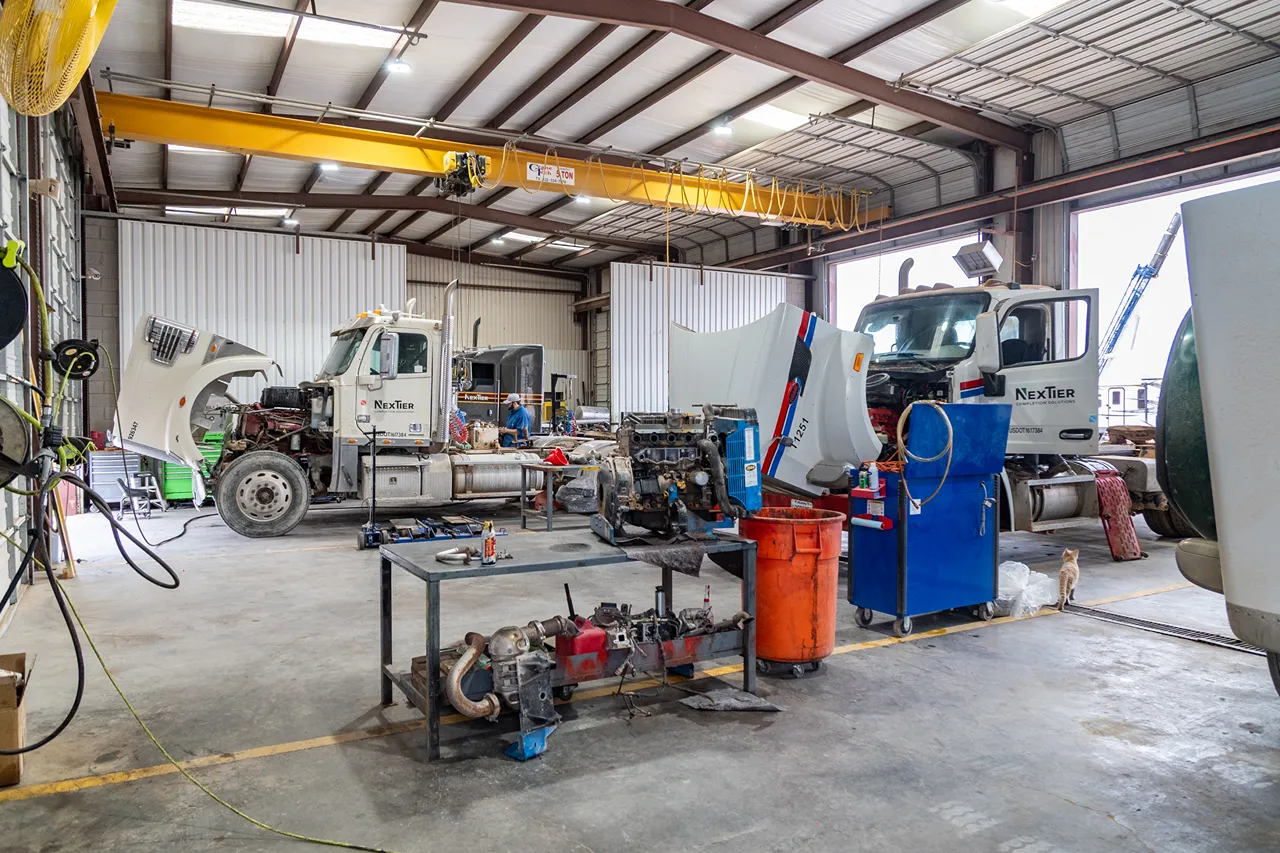
Oilfield trucks in Midland, TX commonly experience diesel engine problems because extreme heat, heavy workloads, dusty conditions, and extended idling accelerate wear on critical engine systems. Understanding the most common failures helps you catch warning signs early, reduce costly downtime, and keep your truck productive throughout the Permian Basin.
If your truck spends its days hauling equipment along I-20, traveling between locations on State Highway 191, navigating Loop 250, or servicing leases near TX-158 and TX-349, understanding these common issues can help you prevent expensive breakdowns before they happen.
Why Oilfield Trucks in Midland Experience More Engine Problems
Oilfield operations are unlike typical over-the-road trucking. Instead of steady highway miles, trucks regularly encounter:
- Heavy payloads
- Long idle times
- Dusty lease roads
- Extreme Texas temperatures
- Frequent short-distance trips
- Constant engine load changes
Whether you're driving between Midland International Air & Space Port, ClayDesta Business Park, Midland Airpark, or heading toward Odessa, Gardendale, Stanton, or Greenwood, your engine rarely gets an easy day.
These conditions place additional stress on nearly every major engine system.
Overheating Is One of the Biggest Threats
Diesel engine overheating is one of the most common reasons oilfield trucks require repairs in Midland.
When an engine produces power, combustion generates tremendous amounts of heat. The cooling system removes that heat by circulating coolant through the engine before sending it to the radiator, where airflow disperses the heat. A water pump keeps coolant moving, while the cooling fan provides additional airflow during slow-speed operation.
In oilfield service, several factors make overheating more likely:
- High ambient temperatures
- Slow driving on lease roads
- Heavy towing
- Extended idling
- Dirty radiators clogged with dust and debris
Common overheating symptoms include:
- Rising coolant temperatures
- Steam under the hood
- Coolant leaks
- Warning lights
- Reduced engine performance
Ignoring an overheating engine can quickly turn a minor repair into a major engine rebuild.
Fuel System Problems From Dirty Diesel
Fuel system issues are another common problem for trucks working throughout the Permian Basin.
Modern diesel engines rely on high-pressure fuel injection systems that precisely atomize diesel fuel inside each cylinder during combustion. Clean fuel is essential because even small contaminants can reduce injector performance or damage expensive fuel system components.
Oilfield environments create plenty of opportunities for contamination through:
- Dust entering storage tanks
- Dirty fuel transfers
- Water contamination
- Poor fuel storage practices
Common warning signs include:
- Hard starting
- Rough idle
- Loss of power
- Poor fuel economy
- Excessive smoke
Replacing a clogged filter is inexpensive compared to replacing multiple injectors or a damaged high-pressure fuel pump.
Excessive Idling Accelerates Engine Wear
Many oilfield trucks spend hours idling while crews work at drilling locations.
Although idling may seem harmless, excessive idle time increases wear throughout the engine by:
- Reducing combustion efficiency
- Increasing carbon buildup
- Creating additional soot
- Raising operating hours without adding productive miles
Over time, excessive idling contributes to issues within the aftertreatment system, engine internals, and lubrication system.
Drivers working around Loop 250 or waiting at job sites throughout Midland may accumulate far more engine hours than mileage alone would suggest.
Aftertreatment System Problems
DPF problems, SCR system issues, and EGR failures are increasingly common among modern diesel engines. Today's emissions systems work together to reduce harmful exhaust emissions and help you avoid hefty EPA fines.
Oilfield driving conditions often interfere with proper regeneration because trucks frequently:
- Idle for long periods
- Make short trips
- Operate under inconsistent engine loads
Common symptoms include:
- Check engine lights
- Reduced engine power
- Failed regenerations
- Increased fuel consumption
- Derated engine performance
Oil Pressure Problems Can Lead to Catastrophic Failure
Low oil pressure is one engine problem that should never be ignored.
Engine oil lubricates moving components while also helping remove heat generated during operation. An oil pump maintains the pressure needed to protect crankshaft bearings and other critical engine parts. Engine oil also absorbs heat before passing through an oil cooler.
Common causes of oil pressure loss include:
- Low engine oil
- Oil pump failure
- Internal engine wear
- Oil leaks
- Restricted oil passages
Warning signs include:
- Oil pressure warnings
- Knocking noises
- Increased engine temperature
- Metal contamination during oil changes
Continuing to operate a diesel engine with low oil pressure can result in severe internal damage.
Cooling System Failures Become More Common During Texas Summers
Summer temperatures around Midland, Odessa, and the surrounding Permian Basin create additional stress on heavy-duty cooling systems.
Dust accumulation can reduce radiator efficiency, while aging coolant loses its ability to absorb and transfer heat effectively. The handbook notes that coolant breaks down over time and should be replaced according to manufacturer specifications to maintain proper heat transfer.
Routine inspections should include:
- Radiator condition
- Coolant levels
- Water pump operation
- Cooling fan performance
- Coolant hose inspections
Addressing minor cooling issues early often prevents costly roadside breakdowns.
Air Filtration Problems in Dusty Oilfields
Oilfield lease roads generate enormous amounts of airborne dust.
Your engine depends on its air filter to prevent dirt and debris from entering the combustion chambers. During the intake stroke, filtered air enters the cylinder before fuel is injected for combustion.
Restricted air filters can cause:
- Reduced horsepower
- Poor throttle response
- Increased fuel consumption
- Excessive turbocharger strain
Trucks operating around drilling locations often require more frequent air filter inspections than highway-only fleets.
Preventive Maintenance Is the Best Defense
The best way to avoid major diesel engine repairs is through preventive maintenance.
Preventive maintenance focuses on identifying and correcting small problems before they become expensive failures. Regular inspections of engine oil, coolant, filters, emissions components, and other critical systems help reduce downtime while extending engine life.
For oilfield trucks operating throughout Midland, State Highway 191, I-20, TX-158, and neighboring communities like Gardendale, Stanton, and Greenwood, preventive maintenance is often the difference between staying productive and sitting on the side of the road waiting for repairs.
Keep Your Oilfield Truck Working Instead of Waiting for Repairs
Oilfield work demands maximum reliability from every truck. Heavy loads, harsh environments, extreme temperatures, and nonstop operation all accelerate wear on diesel engines. Understanding the most common problems—from overheating and fuel system failures to emissions issues and low oil pressure—helps you recognize warning signs before they become major repairs.
If your truck operates throughout Midland, TX and the surrounding Permian Basin, staying ahead of maintenance is the smartest investment you can make. Regular inspections and timely repairs help reduce downtime, protect your engine, and keep your operation moving when every hour counts.
Frequently Asked Questions
What causes diesel engines to overheat in Midland oilfield trucks?
Extreme Texas temperatures, heavy hauling, long idle periods, and dust-clogged radiators all increase the likelihood of overheating. Regular cooling system inspections and coolant maintenance help prevent serious engine damage.
Why do oilfield trucks experience more DPF problems?
Frequent idling, short trips between job sites, and inconsistent engine loads can prevent proper DPF regeneration. Over time, soot accumulates inside the filter, reducing performance and potentially causing engine derates.
How often should oilfield trucks receive preventive maintenance?
Maintenance intervals depend on engine hours, operating conditions, and manufacturer recommendations. Trucks working daily in the Permian Basin often require more frequent inspections than highway-only trucks because of increased dust, heat, and heavy workloads.
What are the first signs of fuel system problems?
Hard starting, rough idling, reduced power, excessive exhaust smoke, poor fuel economy, and hesitation during acceleration often indicate fuel contamination, clogged filters, or injector issues.