

Oilfield Generator Voltage Problems: Common Causes and Repairs for Permian Basin Operators
Your oilfield generator runs, but voltage drops when a pumping motor starts. Discover six common causes of unstable generator output, how electrical faults threaten Permian Basin production, and when professional repairs can protect equipment and reduce costly downtime.
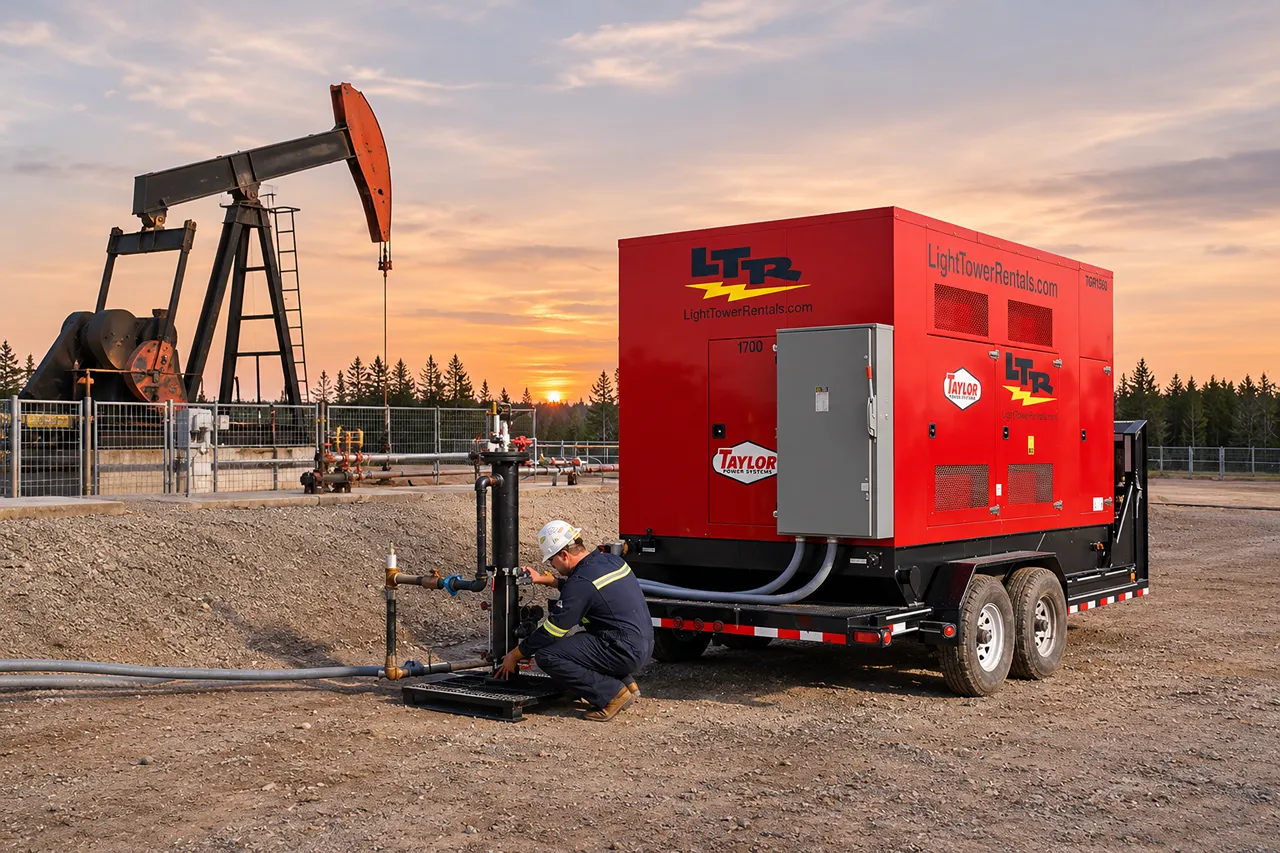
Your oilfield generator starts without trouble, but the moment a pumping motor kicks on, the voltage drops and equipment shuts down. The generator is running, so why isn't it delivering reliable power?
The problem often comes down to excessive electrical loads, faulty voltage regulators, or damaged generator components. Identifying the cause early can prevent motor damage, repeated shutdowns, and costly production interruptions across the Permian Basin.
Why Does Stable Generator Voltage Matter for Oilfield Production?
Oilfield generators do more than supply electricity. They keep pumping units, water-transfer systems, and production controls operating at remote locations where permanent utility connections may be unavailable.
Across Midland County and the surrounding Midland Basin, diesel and natural-gas generators provide essential power for daily oilfield operations.
According to the Texas Railroad Commission, Midland County produced approximately 18.4 million barrels of crude oil in July 2026, while neighboring Martin County produced 19.8 million barrels. These preliminary figures highlight the scale of production activity that depends on reliable equipment.
When generator voltage problems develop, operators may experience:
- Electric motors overheating or failing to start.
- Variable frequency drives (VFDs) triggering protective faults.
- Pumping equipment shutting down unexpectedly.
- Production control systems resetting or malfunctioning.
- Increased maintenance costs and unplanned downtime.
Both low and high voltage can damage electrical components. Maintaining output within equipment specifications helps protect your investment and keeps production moving.
What Causes Low Generator Output Voltage at Oilfield Sites?
Low voltage is one of the most common reasons operators seek oilfield electrical troubleshooting.
A generator may operate normally without a load but struggle when several motors or pumps run simultaneously. This usually indicates excessive loading, engine speed problems, or faults within the excitation system.
Excessive Electrical Loads
Every generator has a rated electrical capacity. When connected equipment demands more power than the generator can safely deliver, output voltage may fall.
For example, starting an electric pumping unit while water-transfer equipment is already operating can create a significant temporary demand.
Technicians perform load assessments to determine whether the generator can handle both normal operating loads and motor-starting requirements.
Low Engine Speed and Governor Problems
Generator output frequency depends on engine speed. If a diesel or natural-gas engine cannot maintain its governed speed under load, frequency may drop, and voltage regulation can become unstable.
Fuel delivery problems, governor faults, and engine performance issues may contribute.
Professional oilfield electrical equipment diagnostics help determine whether repairs involve the engine, governor controls, or the electrical generation system.
How Do Faulty Automatic Voltage Regulators Affect Generator Performance?
Your generator's automatic voltage regulator (AVR) controls alternator excitation to maintain the required output voltage.
When the AVR malfunctions, voltage may become too high, too low, or fluctuate unexpectedly.
Common symptoms include unstable voltage readings, repeated equipment trips, and inconsistent electrical output despite relatively steady engine operation.
What Causes AVR Failures?
Several conditions can interfere with proper voltage regulation:
- Damaged voltage-sensing circuits.
- Incorrect regulator settings.
- Failed internal electronic components.
- Loose or deteriorated electrical connections.
- Faults elsewhere in the excitation system.
Effective industrial generator voltage regulator repair begins with identifying whether the regulator itself is defective or responding to another electrical problem.
Qualified technicians can check sensing connections, verify configuration settings, assess excitation performance, and replace defective components when necessary.
Simply adjusting an AVR without proper testing can introduce additional problems, including damaging overvoltage.
Why Does Generator Voltage Fluctuate When Oilfield Motors Start?
Motor-starting surges are a major concern for Permian Basin generator repair, particularly at sites operating electric pumping units and large water-transfer pumps.
Electric motors can draw several times their normal running current during startup. That sudden demand may cause generator voltage to dip temporarily.
A properly matched generator should recover within the limits required by the connected equipment.
However, an undersized generator or poorly controlled engine may struggle to recover, causing equipment to trip.
How Can Operators Reduce Motor-Starting Voltage Drops?
Several professional solutions can improve voltage stability:
- Review generator sizing: Compare generator capacity with running loads and motor-starting requirements.
- Evaluate starting methods: Appropriate soft starters or VFDs may reduce starting current.
- Sequence equipment startup: Avoid starting multiple large motors simultaneously.
- Inspect governor response: Verify that engine controls respond correctly to sudden loading.
- Assess electrical distribution: Identify excessive voltage drop between the generator and motor.
These measures can reduce unnecessary shutdowns without automatically requiring a larger generator.
Can Damaged Wiring and Alternator Components Cause Voltage Problems?
Not every voltage problem originates in the regulator or engine. Faulty connections, alternator damage, and electrical distribution issues can produce similar symptoms.
Loose or Damaged Electrical Connections
Oilfield generators frequently operate in demanding environments where vibration, dust, and extended service can affect electrical connections.
Loose terminals increase resistance, potentially causing overheating and voltage losses.
During generator electrical maintenance, Midland operators should arrange inspections of cable terminations, connectors, and electrical enclosures.
Qualified personnel can isolate equipment, repair damaged terminals, replace deteriorated cables, and verify connection integrity.
Alternator and Excitation Failures
The alternator converts mechanical energy from the generator's engine into electrical power.
Damaged windings, excitation components, or rotating rectifiers can interfere with output voltage.
Technicians may perform insulation resistance testing, winding assessments, and excitation-system diagnostics according to manufacturer procedures.
These tests help distinguish repairable component failures from more extensive alternator damage.
Voltage Drop Across Long Power Cables
Remote production sites sometimes position generators considerable distances from pumping equipment.
Long cable runs create electrical impedance, which can result in lower voltage at the motor than at the generator terminals.
Undersized conductors and deteriorated connections make the problem worse.
Professional oilfield power distribution repair may involve reviewing cable sizing, replacing damaged conductors, and correcting connection problems.
Measuring voltage at appropriate points under controlled conditions helps technicians identify where the loss occurs.
How Do West Texas Heat and Dust Affect Generator Electrical Systems?
October is an excellent opportunity for oilfield generator preventive maintenance following months of intense West Texas summer heat.
High temperatures can accelerate insulation deterioration, while accumulated dust may restrict ventilation and interfere with effective cooling.
These conditions do not automatically indicate an electrical fault, but they make preventive inspections worthwhile.
Operators should schedule:
- Inspection of electrical enclosures and cable insulation.
- Cleaning of ventilation passages using approved procedures.
- Cooling-system checks and radiator maintenance.
- Examination of cable terminations for heat damage.
- Review of operating temperatures and fault records.
The National Weather Service identifies November 13 as Midland's average first seasonal freezing date, making October particularly useful for post-summer inspections rather than intensive winter preparation.
When Should You Call an Oilfield Electrical Repair Professional?
Recurring voltage instability deserves professional attention, especially when it affects motors, production controls, or critical pumping equipment.
Contact a qualified technician when your generator experiences repeated undervoltage or overvoltage alarms, fails during motor startup, or cannot maintain stable output under normal operating loads.
Professional oilfield generator load testing can help identify whether the problem involves generator capacity, engine controls, excitation components, or power distribution.
Electrical testing must follow appropriate isolation and lockout/tagout procedures. Oilfield installations may also require equipment suitable for hazardous locations where flammable atmospheres exist.
OSHA guidance confirms that generator grounding and bonding requirements depend on the electrical configuration, so technicians must evaluate each installation individually.
Untrained personnel should never attempt live-panel voltage testing or AVR adjustments.
Protect Your Oilfield Equipment With Reliable Generator Repairs
Stable generator voltage protects electric motors, reduces unexpected shutdowns, and supports consistent production.
Whether the cause involves excessive loading, a defective regulator, damaged wiring, or alternator failure, accurate diagnosis helps prevent repeat breakdowns.
For oilfield generator repair, contact our team at Jaz Services at 432-563-4000 to discuss your generator voltage problems and electrical support needs. Proper troubleshooting can help restore dependable power to your Midland-area oilfield operations.
FAQs
What causes low voltage in an oilfield generator?
Low voltage commonly results from excessive electrical loading, low engine speed, faulty voltage regulation, or excitation-system problems. Professional testing helps identify the specific cause before repairs begin.
Can a faulty AVR damage oilfield equipment?
Yes. A defective automatic voltage regulator can cause excessive or insufficient voltage, potentially damaging motors, drives, and sensitive controls. Qualified technicians should diagnose and correct regulator problems.
Why does generator voltage drop when a pumping motor starts?
Electric motors draw substantial current during startup. If the generator cannot handle the starting demand, voltage may temporarily fall enough to trigger protective equipment shutdowns.
Can long electrical cables cause generator voltage problems?
Yes. Long or undersized power cables can create excessive voltage drop, particularly under heavy electrical loads. Proper conductor sizing and connection maintenance help reduce these losses.
How often should oilfield generators receive electrical inspections?
Inspection frequency depends on operating hours, manufacturer recommendations, site conditions, and equipment criticality. Generators operating continuously in dusty or high-temperature environments may require more frequent inspections than lightly used equipment.